
The right person. The perfect ring. The dress, the suit, the venue, the cake you tasted four times just to be sure. You have already made some big decisions. Now comes the one that decides how you will remember all of them: who is going to photograph and film your wedding.
We wrote the first version of this guide a few years ago. We have photographed and filmed a lot of weddings since then, in barns, ballrooms, castles, churches, backyards and one glass pavilion on a pond, so here is the updated version. Same six tips, more of what we have learned along the way.
Choose people you feel comfortable around. Pick a photographer and videographer who already work together, ideally as one team with one plan. Ask to see complete weddings at venues like yours, not just the highlights. Don't rule anyone out because they aren't local. Watch full films before you choose a film style. And know exactly what your package includes before you sign.
Tip 01Hire people you actually feel comfortable around
Your photographer will be in the room while you get ready, standing a few feet away during your vows, and close by for the quiet moment you steal with your partner before dinner. If they make you tense, it will show in the photos. If they make you laugh, that will show too.
So talk to them before you book, on a video call or in person. Notice whether they ask about you, your families and what matters to you, or mostly talk about their cameras. Ask how they handle portraits. The best teams give clear direction when it helps and then get out of the way, so you are not stuck in a two-hour photo session while your guests enjoy the cocktail hour without you.
It is also fair to ask whether they have photographed weddings like yours: a multi-day cultural celebration, a same-sex couple's family photos, a black-tie ballroom, a backyard with forty guests, or a dark and moody Halloween wedding. Experience with your kind of day matters more than the number of years on a website.
Tip 02Pick a photographer and videographer who already work together
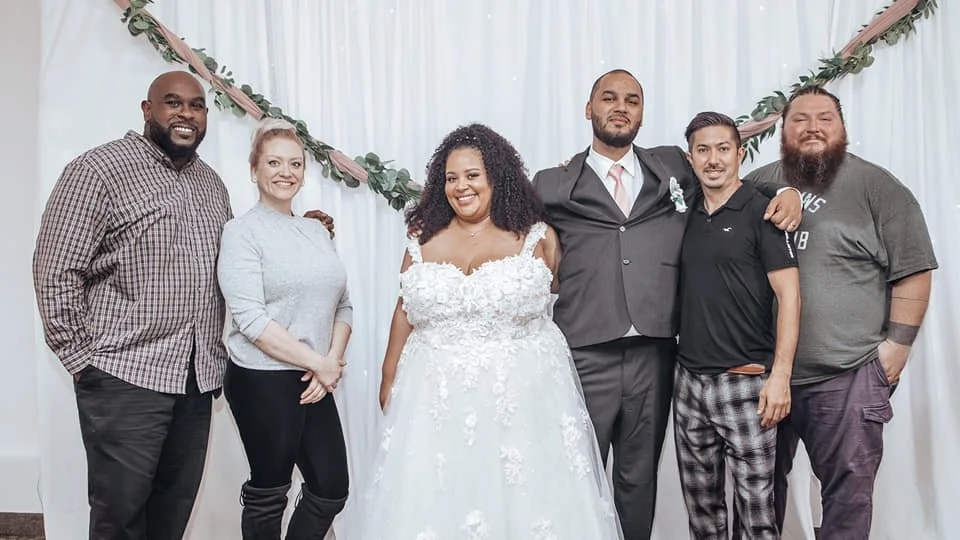
Your photographer and your videographer need the same moments: getting ready, the first look, the processional, the vows, the toasts, the first dance. They need them in the same small rooms, in the same few minutes, and neither of them can stand in the other's shot. That only works smoothly when the two of them have a plan and have done it before.
If you hire them separately, ask whether they have worked together and how they split the room. Even better, choose one team that does both. At BlackTie Brothers, photography and film come from the same team and are planned together from the start, so there is one timeline, one point of contact and one creative direction.
For bigger or busier days, a Wedding Experience Director keeps the media team on schedule, helps with the timeline, handles small emergencies (a loose button, a missing boutonniere, nerves) and keeps everyone focused, so you don't have to. It is included with our Premium coverage and available as an add-on. It doesn't replace your planner or your venue coordinator. It makes their job easier too.
Tip 03Ask to see complete weddings at venues like yours
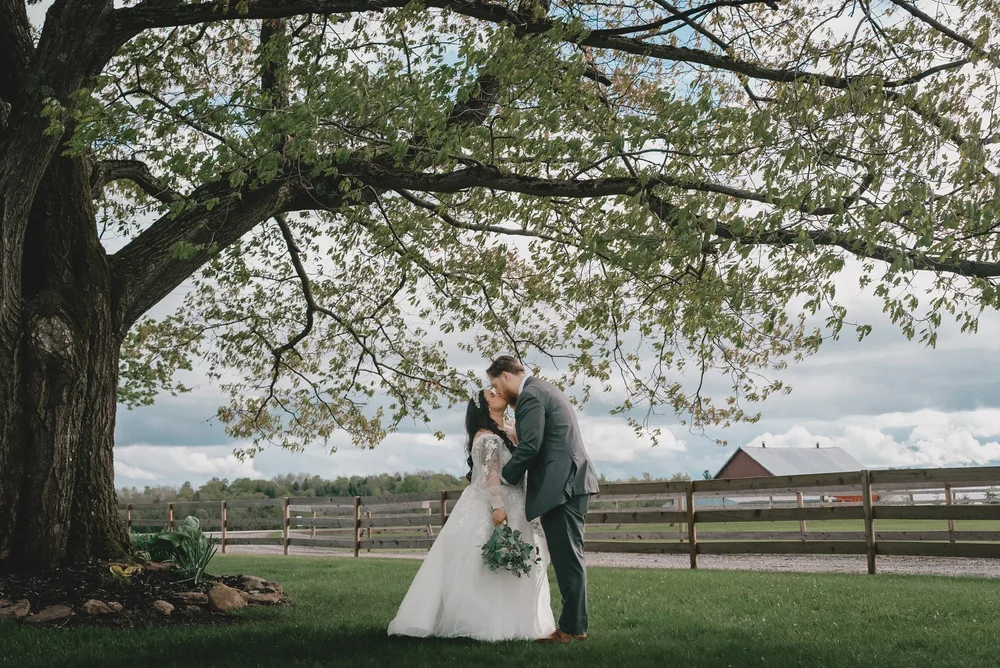
Every portfolio looks great. The highlights are the best twenty frames from a hundred weddings. What you really want to know is what a whole wedding looks like, from the first detail photo to the last dance, at a venue that resembles yours.
Light is the reason. A barn with a dark wood ceiling, a ballroom with chandeliers and purple uplighting, a church with no flash allowed and a garden at golden hour all need different skills. Reception rooms are often the hardest: a good team keeps the candlelit, moody feeling of the room while still getting flattering skin tones and every face on the dance floor.
So ask for a full gallery from a similar venue. If they have photographed your exact venue, even better. We publish complete galleries and planning notes on our venue guides. The Riverdale guide, for example, shows three full weddings in the same ballroom, each with completely different lighting and decor.
Tip 04Don't limit your search to your zip code
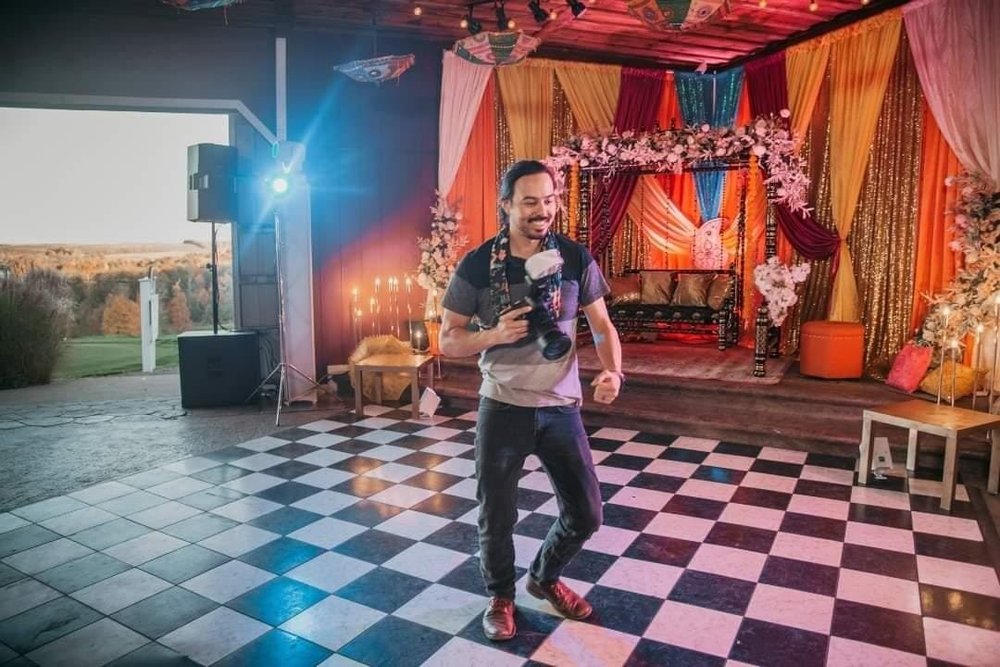
It makes sense to hire your florist, caterer and officiant close to home. Your photographer and filmmaker are different: everything they need fits in a car or on a plane, and the right team for you may not live in your town. If you fall in love with someone's work and they are a few hours away, reach out anyway. Love knows no bound-aries. (Sorry. We had to keep that one.)
Just ask how travel is handled and get it in writing before you book. Some teams include travel in certain areas, some charge by the mile, and destination weddings usually need flights and lodging. Our team has artists in New York, Florida and Hawaii and photographs and films weddings across the country. You can enter your venue's ZIP code on our pricing page to see the options for your area, and any travel for your date is shown in your proposal before you book.
Tip 05Watch whole films before you choose a film style
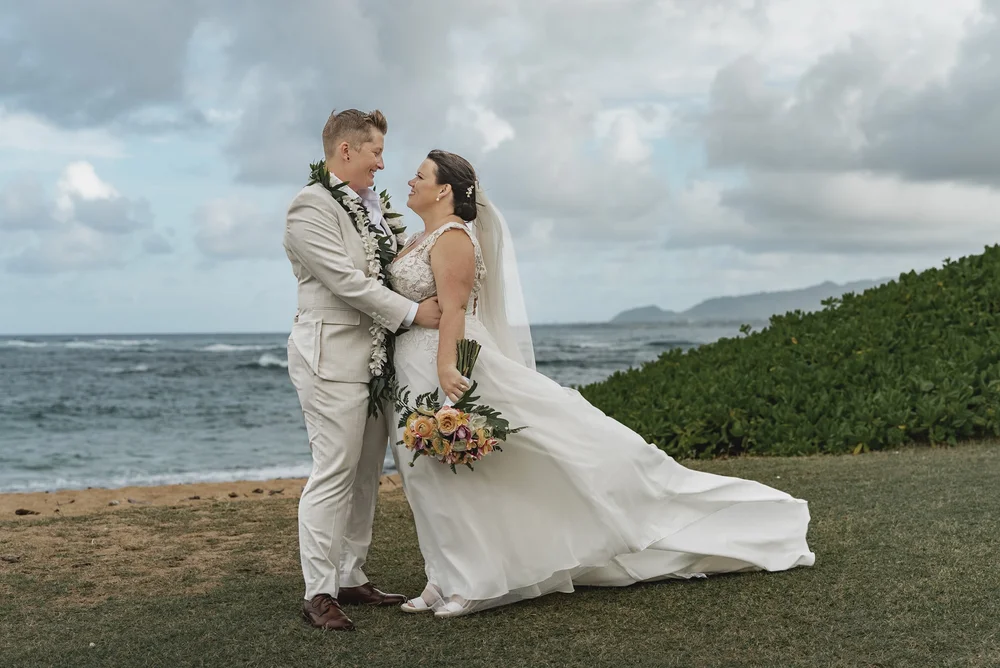
Wedding films vary as much as movies do. Some are documentary: real moments, real sound, very little staging. Some are cinematic, with music, slow motion and a story built around your vows or a letter you wrote each other. Some receptions are edited like a music video. None of these is the right answer. The right answer is the one that feels like you.
Trailers are short on purpose, so ask to watch at least one full highlight film. Ours usually run between five and ten minutes, long enough to include the vows, the speeches that made everyone cry and the moment your uncle took over the dance floor. Longer edits with the full ceremony and speeches are included in our Premium collections and available as an add-on with the others. Listen to the audio as well as the picture: clear vows and toasts come from dedicated audio, not from a camera at the back of the room.
Tip 06Know exactly what your package includes
Two packages with the same price can be very different. Before you sign, make sure you know:
- Hours of coverage, and when they start and stop. Six, eight and ten hours are common. Map them against your timeline, not just your ceremony time.
- Who is coming, and how many: one photographer, two photographers, a filmmaker, or all three.
- What you receive: a full online gallery, a highlight film, a longer edit, an album, and how long each takes to arrive.
- What happens if something goes wrong: backup cameras, backup copies of your files on the day, and a backup artist if someone is sick.
And yes, we are biased, but think hard before you skip the film. The flowers get packed up. The cake gets eaten. The makeup comes off and the dress goes into a garment bag. A film is the one thing that brings back the voices, the laughing and the music. You can press play again. And again. And again.
Before you bookQuestions to ask any photographer or videographer
- Can we see a complete gallery and a full film from a wedding like ours?
- Who exactly will be at our wedding, and have they worked together before?
- How do you handle family photos and portrait time so we still get time with our guests?
- How many hours do you recommend for our timeline, and why?
- How is travel calculated, and will it be in our contract?
- What happens if an artist is sick or a camera fails?
- Do you back up our files on the day?
- What do we receive, and when?
FAQCommon questions
Should we book photography and video from the same company?
If you want both, it usually makes the day smoother. One team shares one plan, one timeline and one point of contact, and the photographer and filmmaker already know how to work around each other. Booking separately can work well too, as long as the two have worked together before.
How many hours of coverage do we need?
Look at your timeline. Six hours often covers the ceremony through the first part of the reception. Eight hours usually covers getting ready through the main reception moments. Ten hours or more suits days with travel between locations, a late send-off or a long celebration. A good team will help you choose based on your schedule, not just your guest count.
Do we really need a videographer?
Photos show you how the day looked. A film brings back how it sounded and moved: your vows, the toasts, the music, the people you love laughing. If budget is tight, ask about a shorter highlight film rather than skipping film entirely.
Do wedding photographers charge for travel?
Policies vary. Some teams include travel within a set area, some charge by the mile, and destination weddings usually include flights and lodging. Ask how it is calculated and make sure it is written into your proposal or contract before you book.
Planning your wedding?
Tell us your date and venue and we will tell you what we have available. You can also see our real weddings and films, browse venue guides or check pricing for your area.
Check Your DateSee Pricing